

- CEC’s recently updated forecast shows data center load growing to 10% of overall California demand by 2036
- Biggest percentage jump occurs in 2028, but rapid growth continues through next decade
The electricity demand of data centers in California is expected to grow to almost 10% of the state’s overall load by the middle of the next decade, according to an NPM analysis.
This statistic, alongside others showcasing the growth of data centers destined for the Golden State, were highlighted within several documents published by the California Energy Commission (CEC) during the past few weeks, as part of its 2025 Integrated Energy Policy Report (IEPR).
Published every two years with input from a broad range of stakeholders, the report is compiled by the CEC and provides a granular assessment of the state’s electricity and fuel sectors.
This latest analysis from NPM centers around the CEC’s energy demand forecast over the next ten years, with a particular focus on the various Form 1.1c’s published by the regulator. More information on how NPM has analyzed the CEC source data can be found in signals.
Also stemming from the creation of CEC’s 2025 IEPR, NPM published an analysis piece last month centered around the release of Southern California Edison’s (SCE’s) ~5GW data center load queue.
Growing data center deployment, 2028 spike
As illustrated below in Graph 1, cumulative data center load in California is expected to rise to just over 32 GWh by the year 2036.
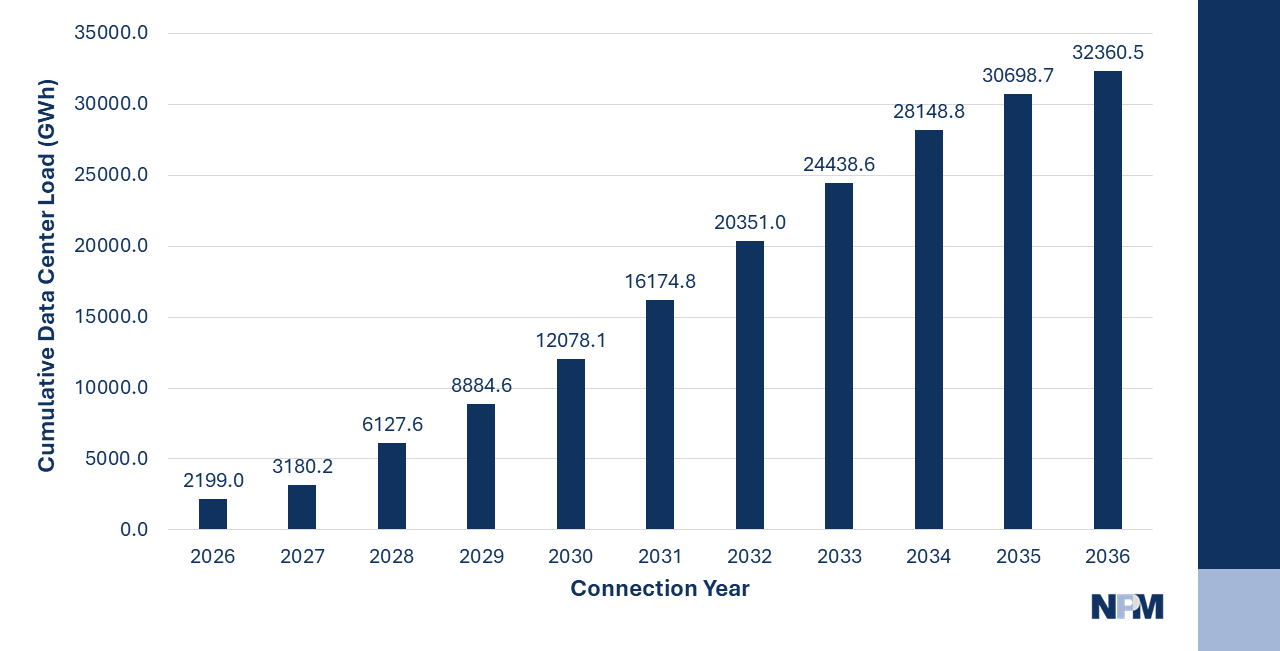
Graph 1 – Forecasted cumulative data center load coming online between 2026-2036.
On the surface, the load expected to come online over the next ten years seems evenly spread. However, the below graph showing the percentage increase from one year to the next paints a different story.
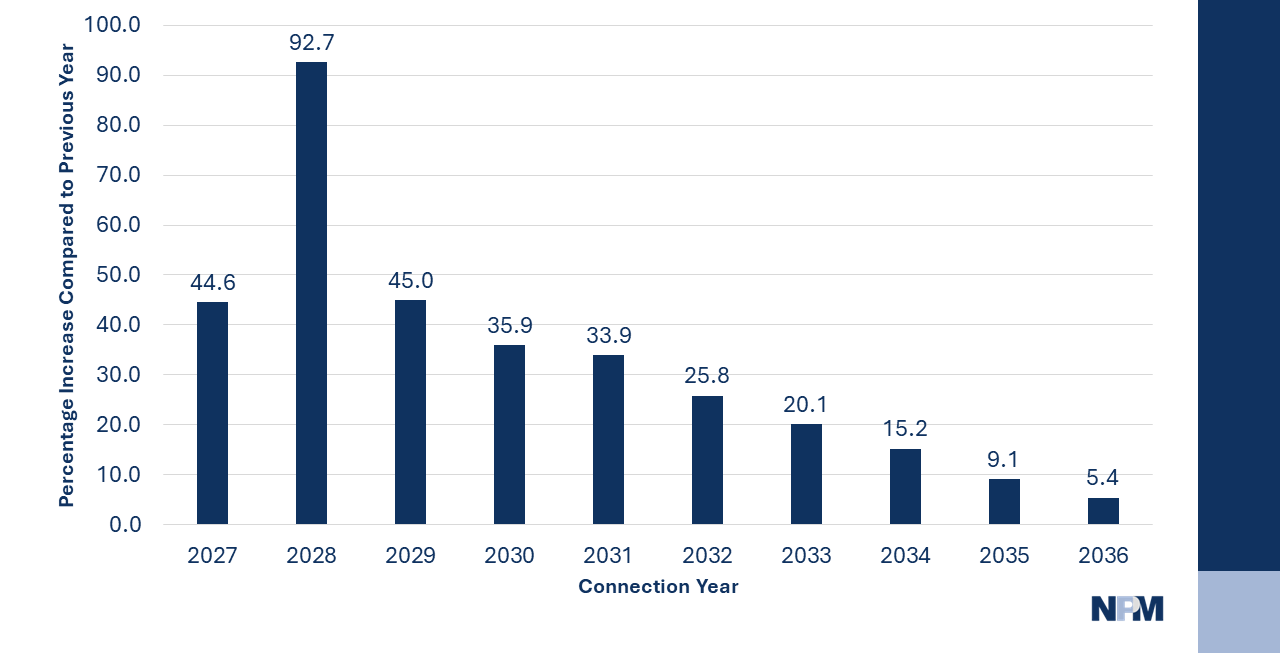
Graph 2 – Forecasted cumulative data center load percentage increase from year to year.
The big jump from 2027 to 2028 is the result of the data center load almost doubling from 3180 GWh to 6128 GWh in the space of just 12 months.
Considering the most optimistic lead times on data center-specific equipment, grid connection constraints and permitting timelines, 2028 lines up with the earliest time the majority of data center developers could hope to have projects online.
Given the delays usually associated with infrastructure development – coupled with the well-documented data center power constraints – it’s possible that a large portion of the forecasted 2028 load will be pushed later into this decade, and potentially even into the next one.
Increasing percentage of overall load
As mentioned at the outset, data center load is forecasted to reach almost 10% of the state’s total load by the middle of the next decade – illustrated by the darker line in Graph 3 below.
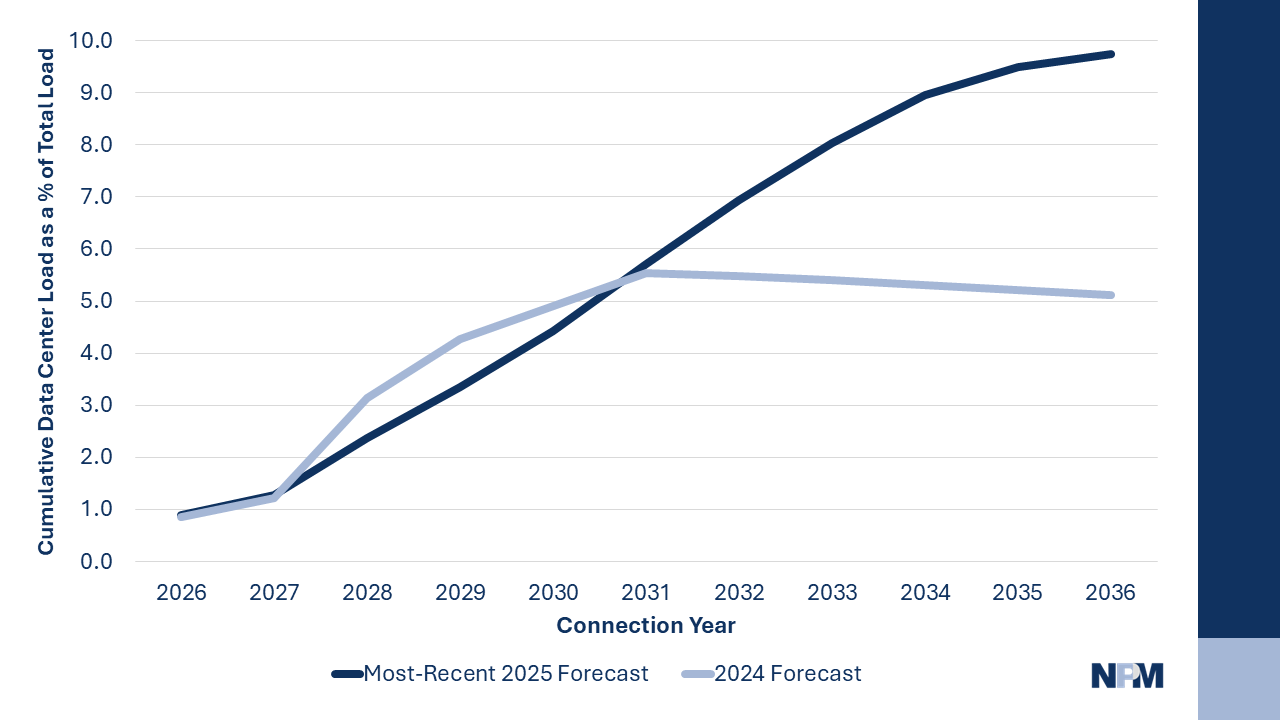
Graph 3 – Forecasts for cumulative data center load as a percentage of total load.
These figures were calculated using the latest 2025 IEPR framework to give the most up-to-date forecast when it comes to data center deployment. Also shown in Graph 3 is the same forecast for data centers, except using the framework from the CEC’s previous 2024 IEPR.
When comparing the most recent forecast to its predecessor, it’s clear to see the growth of data centers – both as a percentage of the total load, but also by sheer energy consumption (see Graph 4 below).
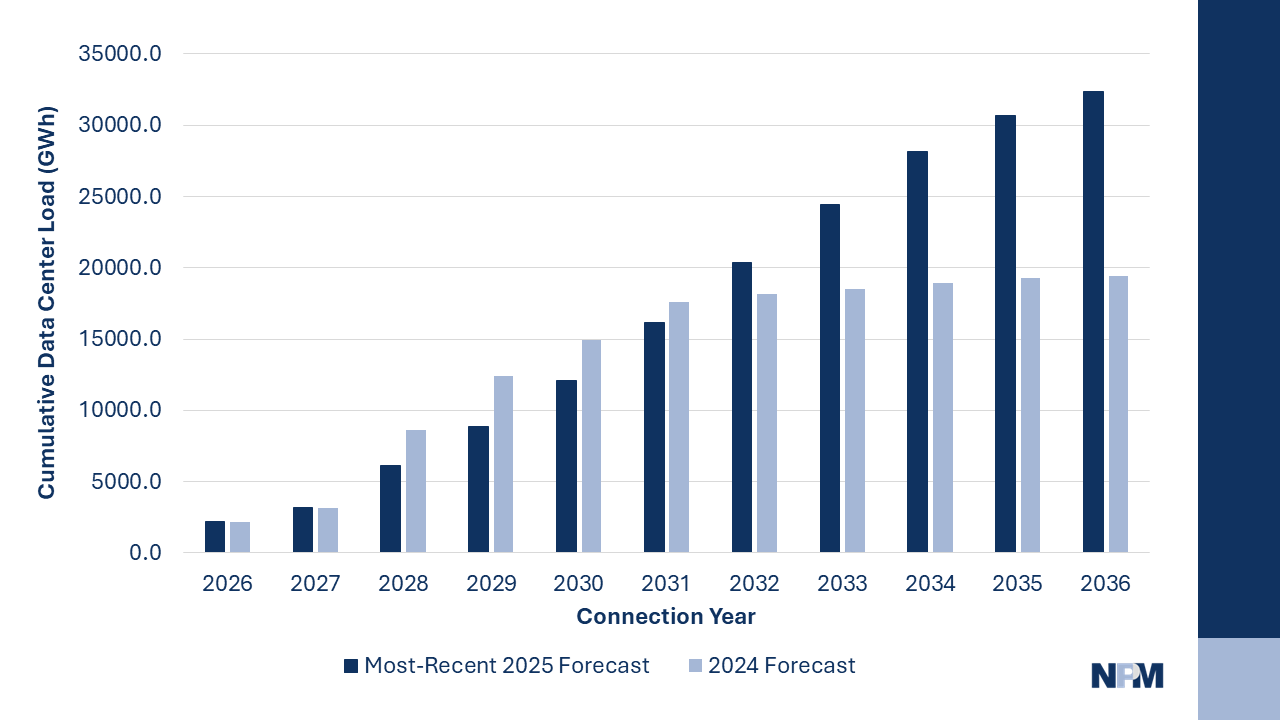
Graph 4 – Forecasts for cumulative data center load.
Both forecasts show a relatively similar increase in data center deployment between now and 2030, with the previous forecast showing an even steeper jump in data center load between 2027 and 2028. From there, the previous forecast tails off, whereas the most recent continues to climb.
These differences could be down to several factors, including load serving entities (LSEs) having more certainty around the data center market, or even the result of more data centers having been proposed in the past year.
The NPM database shows 127 data centers destined for California, with many of these having come to light in the past 18 months.
Breakdown by load serving entity
The data center electricity demand is expected to be served by 14 different California LSEs, made up of investor-owned utilities, community choice aggregators (CCAs) and local utilities.
The below graph lists the expected data center load in 2036 for the 14 LSEs ranked from smallest to largest.
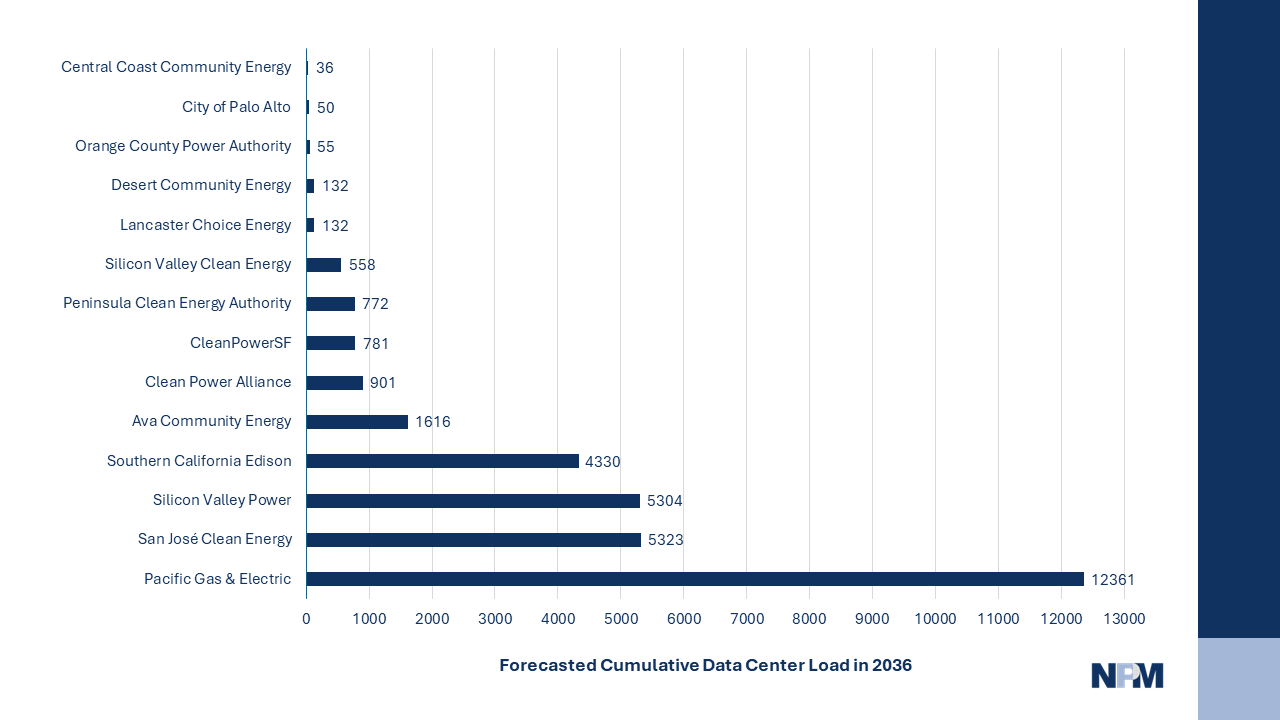
Graph 5 – Forecasted data center load in 2036 broken down by LSE.
The majority of this load is expected to be served by California’s largest investor-owned utility (IOU), Pacific Gas & Electric (PG&E).
NPM’s database currently shows six data centers being supplied by PG&E under development by Stack Infrastructure, Microsoft, Equinix and Evocative.
*This story was originally published exclusively for NPM subscribers.
New Project Media (NPM) is a leading data, intelligence, and events business covering the US & European renewable energy and data center markets for the development, finance, advisory & corporate community.