

Alongside daily proprietary news coverage, NPM has built an extensive database of data centre profiles during the past year, cataloging granular information such as the size of projects in terms of MW capacity and acreage, the companies involved, power sources and exact locations.
This report will delve into this ever-expanding database, taking a granular look at the key players and markets shaping the industry today.
NPM has been able to identify the developers behind individual data centre projects in over 99% of cases, with Graph 1 below showing the eight developers with the largest percentage share of planned, under construction or operational projects.
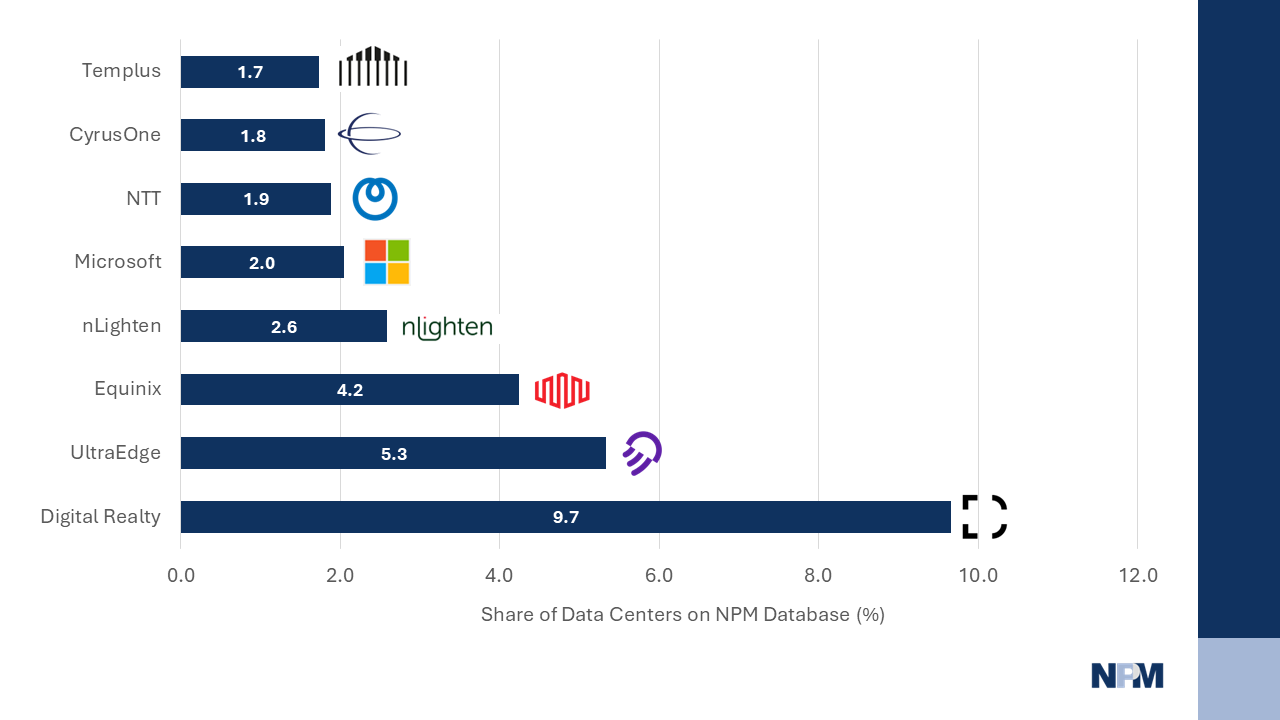
Graph 1 – Developer share of data centre projects on the NPM database.
With over 125 data centres in Europe, Middle East and Africa, Digital Realty is leading the way, with no signs of slowing down in the region.
According to a recent interview conducted by NPM with Senior Vice President Fabrice Coquio, Digital Realty has committed billions in funding to an ambitious Mediterranean expansion focused in Marseille and Paris.
The company currently has four operational data centers in Marseille, with two more under construction.
Despite some companies being responsible for a significant share of projects destined for Europe, NPM has identified over 1,200 individual owners and developers responsible for data centres on the continent – highlighting the vastness of this industry.
Alongside project developers and owners, NPM is tracking tertiary organisations also involved in data centre development, which are becoming increasingly vital for project success.
This was a point highlighted during NPM’s recent 2026 European Development & Finance Forum, where the CEO of Greenfield, Fabio Spucches, described the data centre industry as having moved away from real estate and becoming a much more complicated and complex game.
These organisations include Savills, AECOM, Stantec and TTSP, to name a few.
Shifting focus away from developed marketDespite NPM’s data centre database now featuring projects located in over 30 different European countries, the most developed markets remain centred in and around a handful of key European cities, such as Paris, London and Frankfurt.This is reflected below in Graph 2, which shows the percentage split of projects in NPM’s database by country.
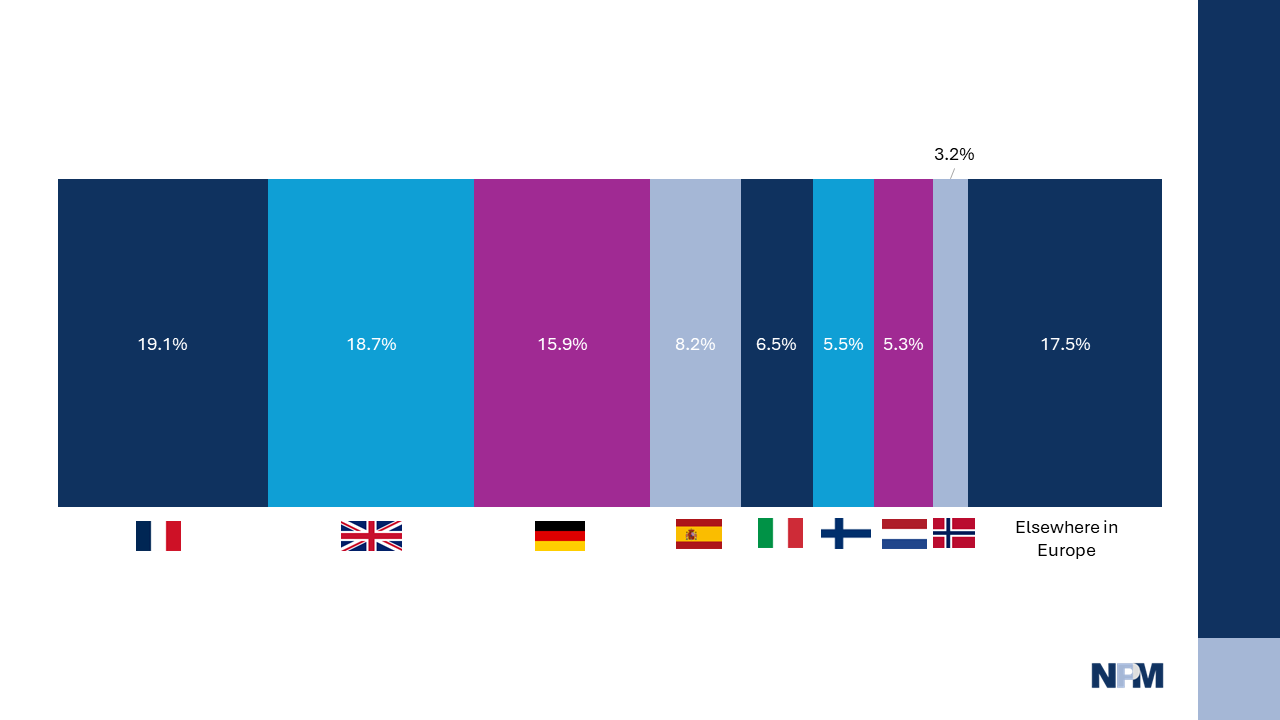
Graph 2 – Percentage split of projects on the NPM database based on country.
As also highlighted in the graph above, NPM has witnessed an increase in the number of projects proposed for Southern Europe during the past six months, such as in Spain and Italy.
It’s the same situation in both of these countries when it comes to congestion, with almost 40% of each country’s data centres sited for Madrid and Milan.
Although these markets continue to dominate the European industry, data centres are beginning to crop up all over the continent, with many developers now choosing to locate projects further away from the centres of these congested European cities.
With developers continuing to experience grid congestion and planning hurdles in the most developed data centre markets, an increasing number of projects are also surfacing in parts of Eastern Europe, such as in Poland and Romania.
Considering the aforementioned development constraints elsewhere in Europe, NPM expects the market share of Eastern Europe to further increase over the next six months.
Development urgency
Although not always disclosed by the developer, NPM has been able to identify proposed commercial operation dates (CODs) for a broad selection of planned or under construction data centres in Europe.
This data is illustrated below in Graph 3, which shows that just over half of all projects where a date is known are hoping to come online within the next eighteen months, highlighting the urgency at which the data centre industry is moving.
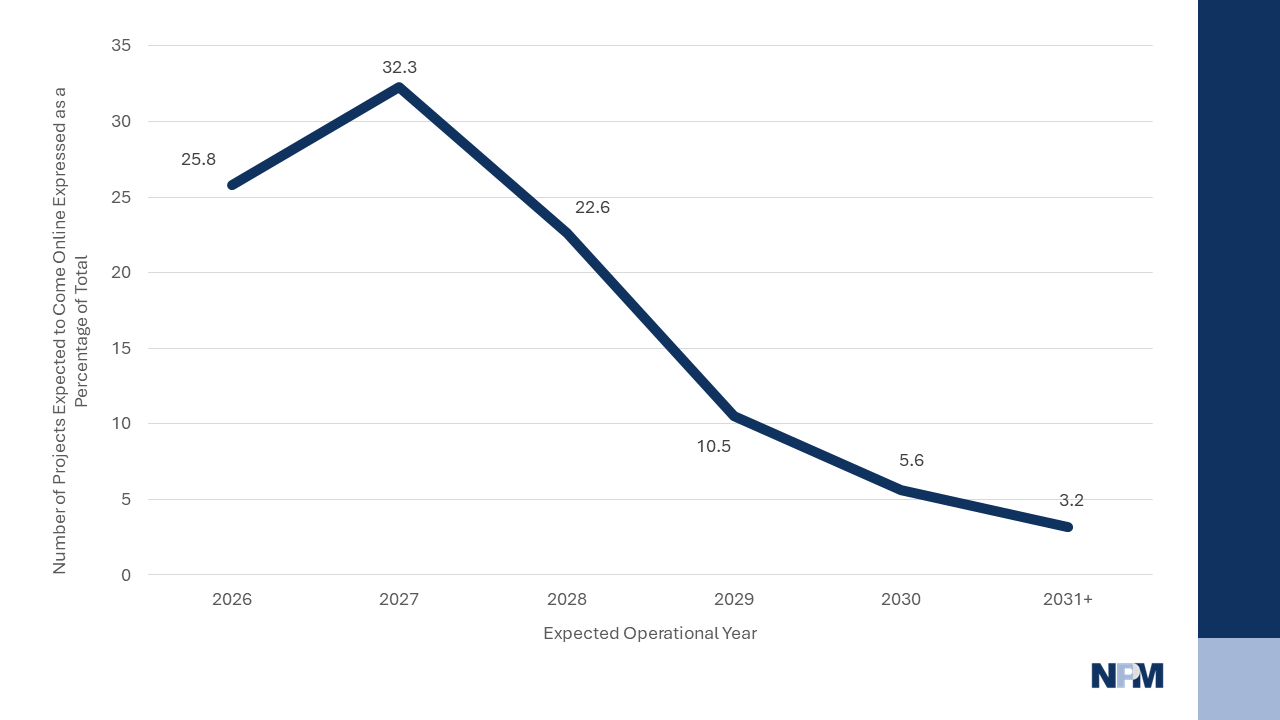
Graph 3 – Number of projects expected to come online expressed as a percentage of the total number.
However, considering the constraints on power availability stemming from oversubscribed electricity grids, it’s yet to be seen whether projects will achieve expected online dates.
Although not as widespread as what’s happening in the US, data centre developers are increasingly turning to private wire arrangements to circumvent needing to connect to regional electricity grids.
As reported by NPM, this includes developers Carbon3.ai and Orrön Energy, who are each considering behind-the-meter solutions for their data centre portfolios located across the UK.
These projects with proposed CODs can also be considered in terms of their cumulative capacity, which has been plotted below in Graph 4.
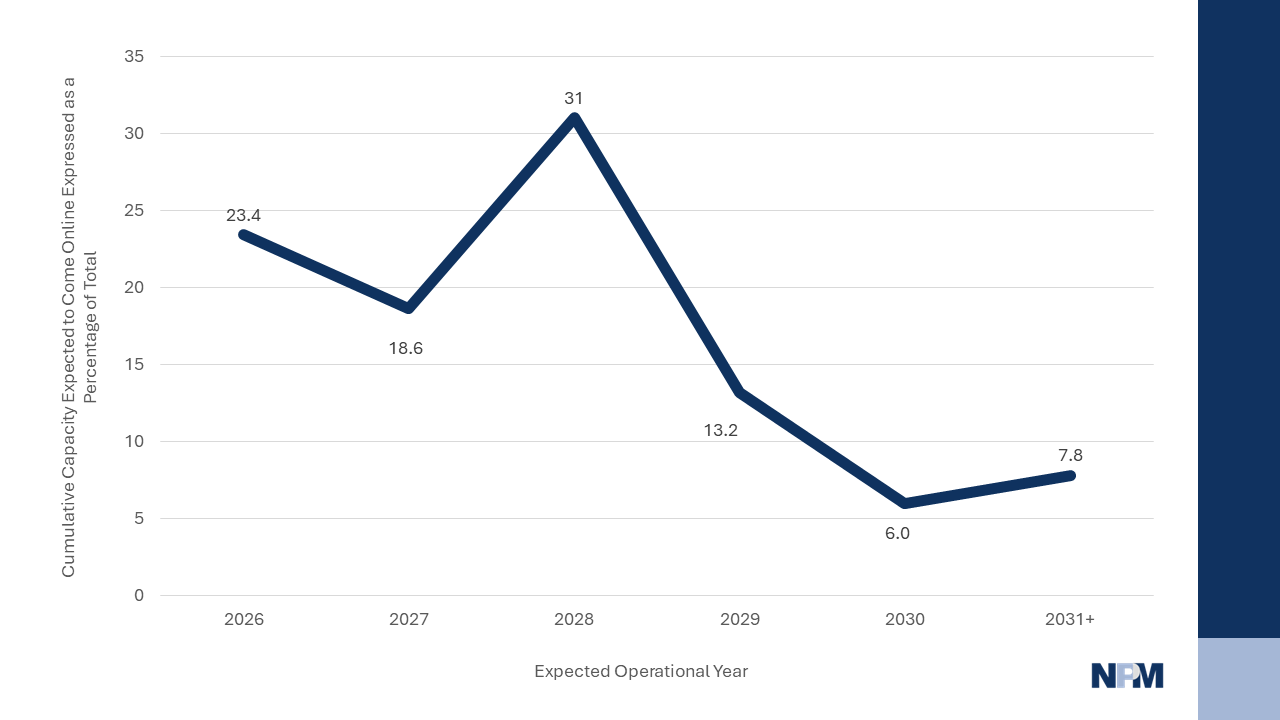
Graph 4 – Cumulative capacity expected to come online each year expressed as a percentage of the total.
When comparing the proportion split for cumulative capacity versus the number of projects, there’s a clear difference in the shape of the two graphs, with the peak for cumulative capacity occurring in 2028, as opposed to 2027 for the number of projects.
This suggests that newly proposed data centres are increasing in size, with some of the projects added most recently to the NPM database exemplifying this, including 1 GW+ projects from Bitzero Blockchain, ITENOS and Edged located in Finland, Germany and Spain, respectively.